


Russia has historically been India’s most dependable ally since independence. This long-standing relationship has contributed to making higher education in Russia popular among Indian students. A wide range of academic programs in Russia—such as engineering, aviation, business, IT, arts, and sciences—are highly sought-after by Indian students looking to study abroad. Since 1985, India has witnessed a steady stream of students heading to Russia to pursue diverse educational opportunities, cementing its status as a top destination for international studies.
With over 4,000 Indian students flying every year to Russia for higher education, it’s evident that more than 50% of those seeking global academic exposure consider Russia a preferred destination. Its reputed institutions further accentuate Russia’s prominence in providing high-quality, globally recognized education. As such, Russia has become a popular choice for Indian students aspiring to succeed in various professional fields on an international stage.
| Universities in Russia | 90+ |
|---|---|
| Medium of Instruction | Bilingual, English, Russian |
| Duration of Course | 6 Years Incl. Internship |
| Degree Awarded | MD Equivalent |
| Yearly Tuition Fee (INR) | 2-4 Lacs INR |
Kitchen Facility – The kitchens are built on every floor and are well-supplied with Induction cooktops, refrigerators, microwave ovens, etc. Also, the student can utilize it without paying any charge.
Laundry Rooms – Washing machines are placed in common laundry rooms and can be availed at no additional cost of living in Russia.
Hostel Amenities – Most hostels have a Reading room, Gymnasium, and Indoor Games room.
Security – Mostly, the hostels are under CCTV surveillance, and there is always a warden or caretaker in the hostel on a 24×7 basis.
Russian Universities offer several benefits for Indian students:
Over 90 Russian universities offer a wide range of academic programs to international students in English, bilingual, and Russian mediums. However, many agents often place students in bilingual programs instead of fully English-taught courses. This can affect students’ comfort and learning experience, especially if they are not fluent in Russian.
It’s essential for Indian students to choose universities that offer entire programs in English, ensuring a smoother academic journey and better global career opportunities. While many universities claim to offer English-medium programs, only a select few maintain high-quality infrastructure and teaching standards.
Around 18 Russian universities offer full-time English-taught programs, but only about 10–12 universities provide excellent infrastructure and internationally recognized academic standards. Choosing a university based on grading, reputation, and quality of education is key to making the most of your study abroad experience.
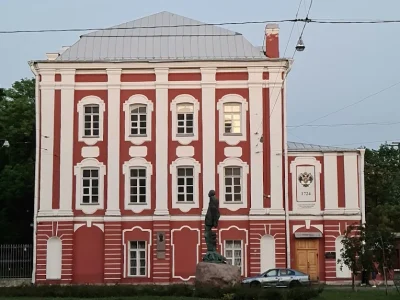
Saint Petersburg State University
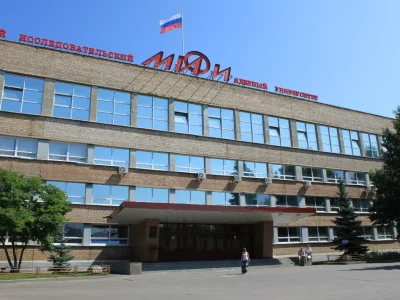
National Research Nuclear University
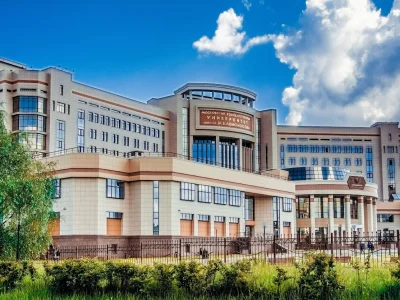
Lomonosov Moscow State University
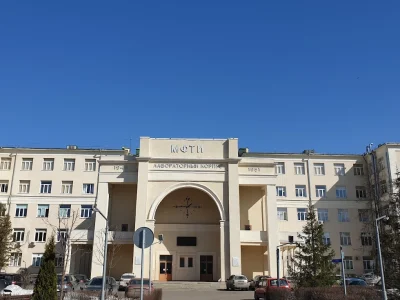
Moscow Institute of Physics and Technology
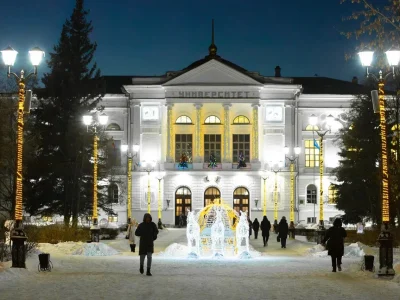
Tomsk State University
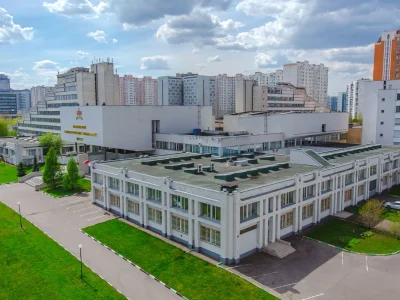
Bauman Moscow State Technical University
A common query arises when a student plans to study in Russia: Will I get Indian food there? or Is Indian food available at the university? So here is the answer:
Indian Mess: Indian food facilities are available in several Russian universities. These are usually managed by private contractors and depend on the number of Indian students enrolled at the university.
Mess Charges: The average monthly cost for 2 meals a day is approximately 100–150 USD. However, prices may vary depending on the university and location.
Self-Cooking Option: Every hostel has a shared kitchen where students can prepare meals. Typically, the University provides this service for free.
Indian Restaurants: Russia has a growing Indian community, and Indian restaurants can be found in most major cities. While dining out may be slightly more expensive than cooking, it offers a taste of home when you’re missing familiar food.
Every single University provides on-campus accommodation for its students.
Common Hostel: Almost every University has a common hostel for girls and boys.
Room Sharing: Medical Universities provide housing rooms in a hostel, often available in double, triple, and quad-sharing options.
Room Charges: The room charges depend upon the sharing and the condition of the room. Renovated rooms are always a bit pricey. The probability of getting a single shared room is extremely rare in the hostels.
Internet access: Every room has Internet access; students might need to pay for Wi-Fi connections in their rooms.
Drinking Water: Generally, students must purchase drinking water, often sold in 20-litre packaging. Water coolers are not available in Russia like they are in India.
Kitchen Facility: The kitchens are built on every floor and are well-supplied with Induction cooktops, refrigerators, microwave ovens, etc. Also, the student can utilize it without paying any charge.
Laundry Rooms: Washing machines are placed in common laundry rooms and can be availed at no additional cost of living in Russia.
Hostel Amenities: Most hostels have a Reading room, Gymnasium, and Indoor Games room.
Security: Mostly, the hostels are under CCTV surveillance, and there is always a warden or caretaker in the hostel on a 24×7 basis.
Studying in Russia for courses like engineering, business, IT, and more follows simple and student-friendly criteria. While most universities have standard requirements, a few may have additional conditions to select the best-fit candidates. Below are the general eligibility guidelines:
Academic Qualification: Students should have passed 10+2 (for undergraduate) or graduation (for postgraduate) with at least 50% marks.
Age Requirement: The candidate must be at least 17 years old at the time of admission.
Entrance Exam: Some universities may conduct an online test or interview to assess student capabilities.
No NEET / IELTS Required: For most courses, entrance exams like NEET or IELTS are not mandatory.
No, most Russian universities do not require IELTS or TOEFL. Many offer English-taught programs and may conduct basic language assessments or interviews.
Engineering, Computer Science, Aviation, Business Management, International Relations, and Arts are among the most preferred courses.
Yes, degrees from recognized Russian universities are valid and accepted in India and many other countries.
Yes, Indian mess facilities are available in many universities. You’ll also find Indian restaurants and self-cooking options in most hostels.
Tuition fees vary by course and university but are generally affordable—ranging from $2,000 to $5,000 per year, plus living expenses.
Study Abroad in 2026: Smart Planning Guide for Indian Students

Why 2026 Is the Right Time to Study Abroad (And Why Waiting Might Cost You)

How Study Odyssey Helps You Achieve Your Abroad Dream

Sign up to get all thefashion news, website updates, offers and promos.