


Canada has emerged as one of the most preferred destinations for Indian students due to its high-quality education, welcoming immigration policies, and multicultural environment. This strong academic reputation, combined with excellent career opportunities, has made Canada a top choice for higher education.
Since the early 2000s, there has been a steady increase in the number of Indian students choosing Canada for their undergraduate and postgraduate studies. With over 4,000 Indian students heading to Canada annually, the country has solidified its position as a global education hub.
Canada’s reputed institutions, world-class research facilities, and practical-oriented programs offer Indian students a strong foundation to build international careers. As such, studying in Canada has become a popular choice for students looking to excel in their chosen fields on a global stage.
| Universities in Canada | 90+ |
|---|---|
| Medium of Instruction | English |
| Duration of Course | 6 Years Incl. Internship |
| Degree Awarded | MD Equivalent |
| Yearly Tuition Fee (INR) | 2-4 Lacs INR |
Kitchen Facility – Kitchens are available on every floor in most student accommodations in Canada. They are typically equipped with induction cooktops, refrigerators, microwave ovens, and other essentials. Students can use these facilities at no extra cost.
Laundry Rooms – Common laundry rooms with washing machines and dryers are usually available in hostels or student residences. These are either free or available at a nominal charge.
Hostel Amenities – Student accommodations often include a reading room, gymnasium, and spaces for indoor games or recreational activities to support a balanced student life.
Security – Most hostels and student residences in Canada are under CCTV surveillance and have security staff or caretakers present 24×7 to ensure the safety of residents.
Russian Medical Universities offer several benefits for Indian students:
Canada is home to many government-recognized universities that offer high-quality education to international students. These institutions are well-ranked globally and provide programs across various fields including health sciences, engineering, business, and technology.
Canadian universities are assessed based on academic performance, faculty qualifications, research output, and student satisfaction. Most institutions follow a GPA-based grading system, typically on a 4.0 scale. The reputation and global ranking of a university can guide students in choosing the best-suited institution for their academic goals.
Students are advised to select DLI (Designated Learning Institutions), which are approved by the Canadian government to host international students. Degrees from these institutions are valid globally and fulfill the eligibility criteria for post-study work and immigration programs.
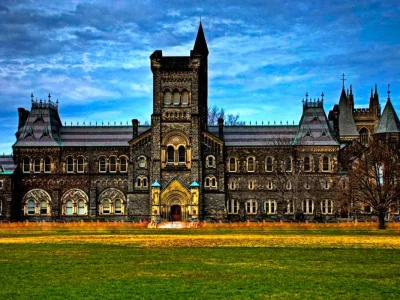
University of Toronto

University of British Columbia

McGill University
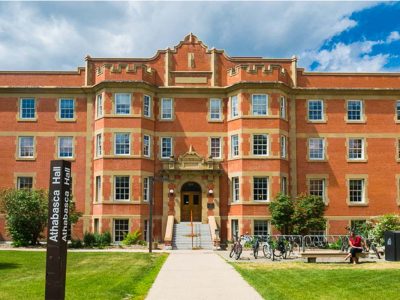
University of Alberta
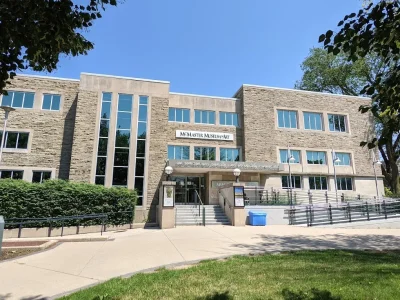
McMaster University

University of Waterloo
A common query arises when a student plans to study in Canada: Will I get Indian food in Canada, or is Indian food available at universities in Canada?
Indian Mess: Indian food facilities are available in several universities and student accommodations. These are generally managed by private contractors and depend on the number of Indian students in a particular area.
Mess Charges: The monthly charges for two meals a day are approximately CAD 250–400. Prices may vary depending on the city and provider.
Self-Cooking Option: Most student residences offer shared kitchen facilities where students can cook their own meals. Universities usually provide this service for free.
Indian Restaurants: Canada has a large and vibrant Indian community. Indian restaurants are common in cities like Toronto, Vancouver, Calgary, and Montreal. While some may be slightly expensive, a wide variety is available to suit different budgets.
Every university in Canada provides on-campus accommodation for its students, especially for international students.
Admission to Canadian universities follows standard criteria for international students, with some institutions requiring additional qualifications to select the best candidates. Below is the general eligibility for Indian students planning to study in Canada:
Academic Qualifications: Most universities require a minimum of 50% or higher in 10+2 grades. Competitive programs may demand higher scores.
English Language Proficiency: Students must appear for English proficiency tests like IELTS or TOEFL. A minimum IELTS band score of 6.0–6.5 is usually required.
Age Requirement: Applicants must be at least 17 years old at the time of application.
Entrance Exams: Some specific programs or universities may require standardized test scores like SAT, GRE, or GMAT depending on the course.
To study in Canada, students typically need to have a minimum of 50% in their 12th-grade exams, an IELTS score of at least 6.0 bands, and be at least 17 years old.
Yes, IELTS (or an equivalent English proficiency test like TOEFL or PTE) is usually mandatory for admission to most Canadian universities and for obtaining a student visa.
Yes, international students can work up to 20 hours per week during academic sessions and full-time during scheduled breaks.
Yes, many Canadian universities offer merit-based scholarships and bursaries. Some are automatically awarded during admission, while others require separate applications.
Yes, Indian food is widely available in major Canadian cities, and many universities have Indian mess services or allow students to cook in hostel kitchens.

Study Abroad in 2026: Smart Planning Guide for Indian Students

Why 2026 Is the Right Time to Study Abroad (And Why Waiting Might Cost You)

How Study Odyssey Helps You Achieve Your Abroad Dream

Sign up to get all thefashion news, website updates, offers and promos.