


Singapore has emerged as one of the most preferred study-abroad destinations for Indian students due to its world-class education system, safety, and cultural proximity. Over the years, the strong diplomatic and economic ties between India and Singapore have encouraged thousands of students to choose this modern and vibrant country for higher education.
With top-ranked universities and globally recognized programs, Singapore offers excellent opportunities in fields like business, hospitality, information technology, finance, design, and engineering. Every year, thousands of Indian students choose Singapore not only for its quality education but also for its clean, secure environment and multicultural lifestyle.
Its reputed institutions, affordable cost compared to Western countries, and English-speaking ecosystem make Singapore a smart choice for students looking to build successful international careers.
| Universities in Singapore | 90+ |
|---|---|
| Medium of Instruction | English |
| Duration of Courses | 6 Years Incl. Internship |
| Degree Awarded | MD Equivalent |
| Yearly Tuition Fee (INR) | 2-4 Lacs INR |
Kitchen Facility – The kitchens are built on every floor and are well-supplied with Induction cooktops, refrigerators, microwave ovens, etc. Also, the student can utilize it without paying any charge.
Laundry Rooms – Washing machines are placed in common laundry rooms and can be availed at no additional cost of living in Russia.
Hostel Amenities – Most hostels have a Reading room, Gymnasium, and Indoor Games room.
Security – Mostly, the hostels are under CCTV surveillance, and there is always a warden or caretaker in the hostel on a 24×7 basis.
Singapore Universities offer several benefits for Indian students:
Singapore is home to several government-recognized universities that welcome international students across a wide range of programs. These universities offer courses in English, bilingual, and native languages, and it’s important for students to choose institutions that provide entire programs in English to ensure smooth learning and global recognition.
Some agents may unknowingly place students in bilingual or partially translated programs, which can affect the overall education quality and post-study opportunities. That’s why it’s essential to select universities with fully English-taught programs and globally recognized accreditation.
Currently, about 18 major institutions in Singapore offer full-time English-medium courses, but only 10–12 stand out with top-tier infrastructure, excellent teaching standards, and high global rankings. Choosing such universities ensures quality education and better career prospects.
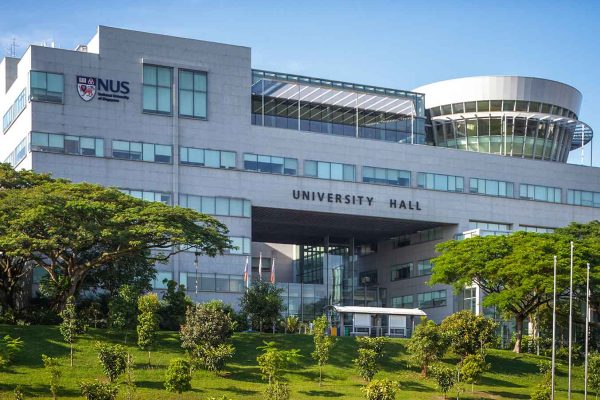
National University
of Singapore
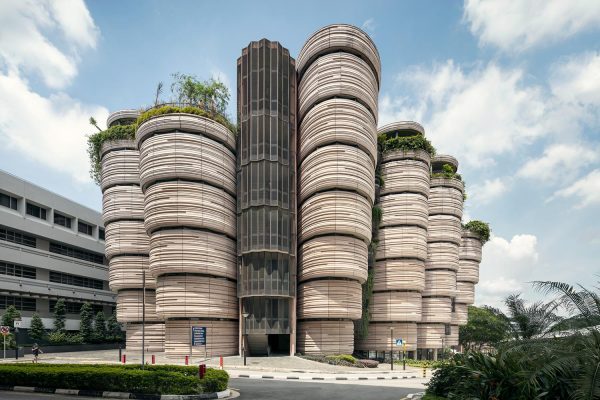
Nanyang Technological University
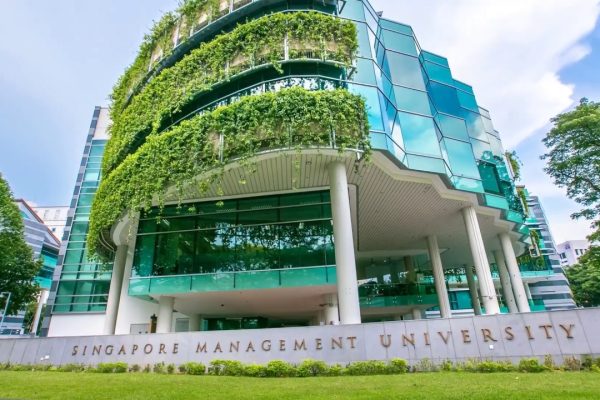
Singapore Management University

Singapore Institute of Management
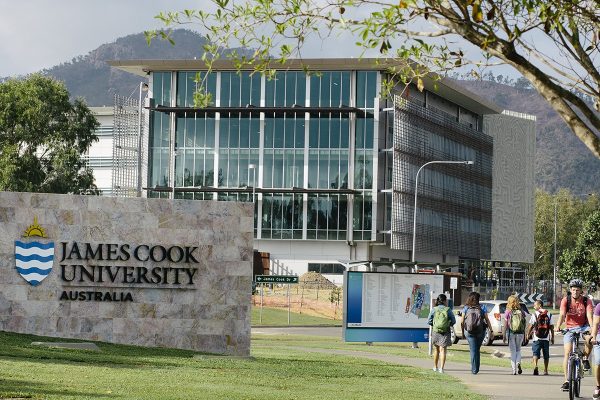
James Cook University

PSB Academy
A common question Indian students ask while planning to study in Singapore is: Will I get Indian food there?
Indian Mess: Indian food is widely available in Singapore. Many universities have access to Indian canteens or nearby mess services operated by private vendors, especially in areas with a high Indian student population.
Mess Charges: Monthly charges for two meals a day generally range from 100–150 SGD, depending on the location and service provider.
Self-Cooking Option: Every hostel has a shared kitchen where students can prepare meals. Typically, the University provides this service for free.
Indian Restaurants: The Indian community is abundant in Singapore , and though Indian restaurants may be slightly expensive, you will find them in most cities.
Every recognized university in Singapore offers on-campus accommodation for its students, ensuring safety, convenience, and community living.
Common Hostel: Most universities provide co-ed or separate hostels for boys and girls with standard amenities.
Room Sharing: Hostel rooms are typically available in double, triple, or quad-sharing options, depending on the university and the student’s preference.
Room Charges: The charges vary based on sharing and room condition. Renovated or premium rooms may cost more. Single occupancy rooms are rare and generally limited.
Internet access: Wi-Fi is available in all rooms. Some universities include it in the hostel fee, while others may charge separately.
Drinking Water: Students often buy bottled water (available in large packs), as water coolers may not be common like in India.
Kitchen Facility: Each hostel floor usually has a common kitchen equipped with induction cooktops, fridges, and microwaves. Students can cook their meals free of charge.
Laundry Rooms: Laundry services or washing machines are available in common areas and can be used either free or for a small fee, depending on the university.
Hostel Amenities: Most hostels offer access to reading rooms, gymnasiums, and indoor games for recreation and study.
Security: Hostels in Singapore are well-secured with CCTV, and a warden or caretaker is available 24/7 for student safety.
Admission to universities in Singapore follows globally accepted academic standards. Some top institutions may have additional requirements to ensure they admit the best students. Here are the general eligibility criteria:
Academic Qualification: Students should have a minimum of 50% marks in 10+2 or equivalent (higher percentages may be required for competitive programs).
English Proficiency: Students are typically required to be IELTS or TOEFL qualified to demonstrate English language skills.
Age Requirement: The student must be at least 17 years old at the time of application for undergraduate courses.
Entrance Exams (if applicable): Some universities may conduct online entrance tests or interviews for specific programs such as Management, Engineering, or Law.
Yes, Singapore is one of Asia’s top education hubs, offering world-class universities, multicultural exposure, and excellent job opportunities.
Yes, most universities require proof of English proficiency through IELTS, TOEFL, or equivalent.
Yes, several universities and government bodies offer scholarships and grants based on merit and need.
Tuition fees range from SGD 10,000 to 30,000 per year, depending on the course and university. Living expenses are additional.
Yes, international students can work up to 16 hours per week during term and full-time during vacations, with university approval.
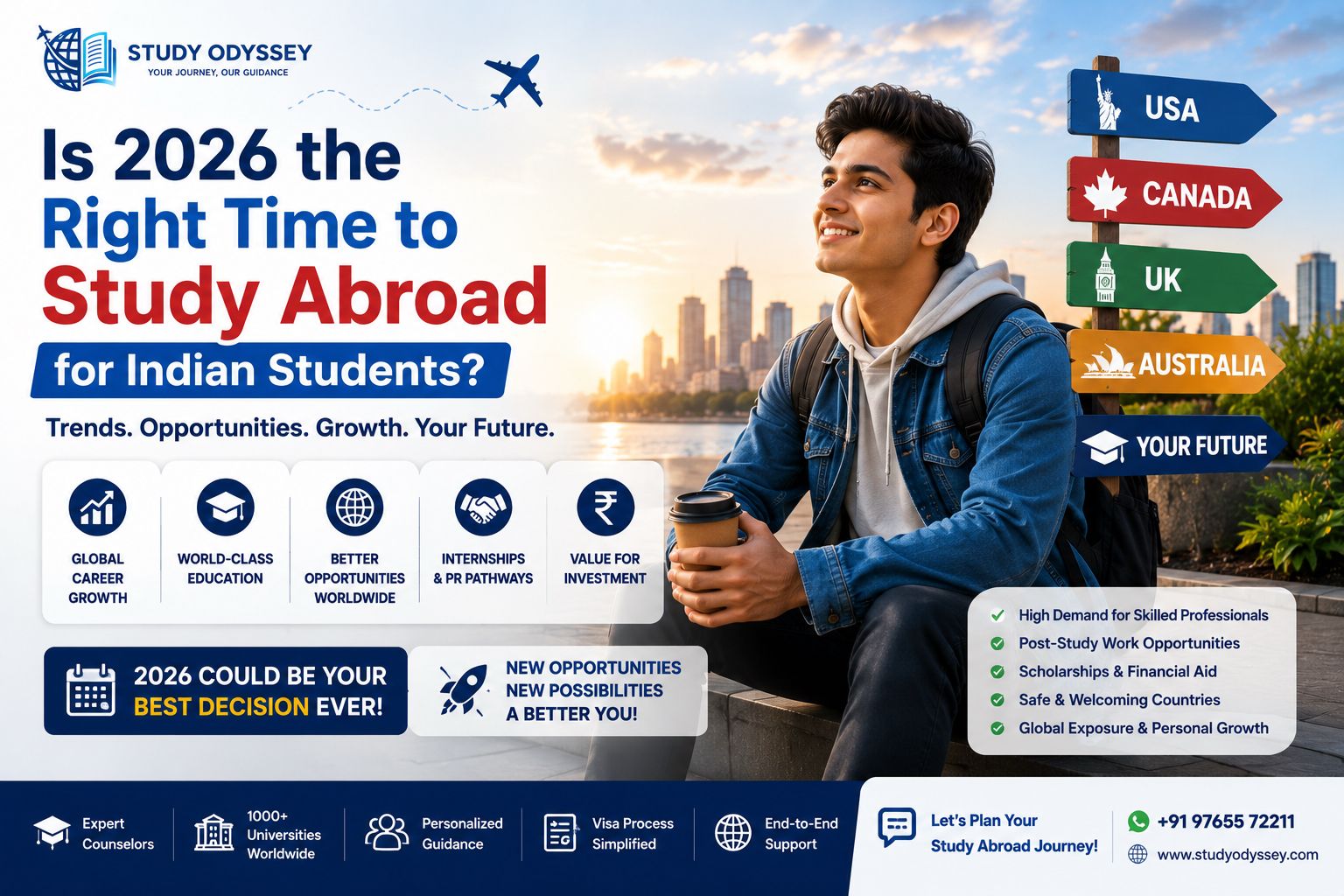
Is 2026 the Right Time to Study Abroad for Indian Students?

Top Mistakes Students Make While Applying for Study Abroad
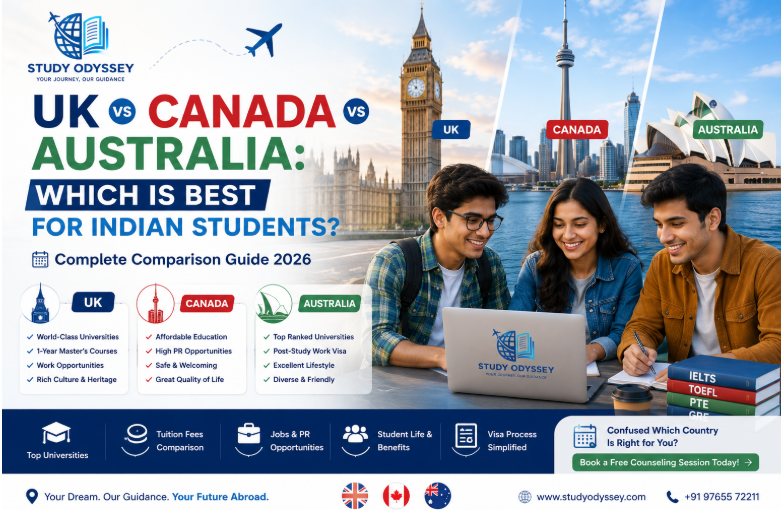
UK vs Canada vs Australia: Which is Best for Indian Students?

Sign up to get all thefashion news, website updates, offers and promos.